
Knee Giving Way
A sudden buckling or instability of the knee joint, making you feel insecure or lose balance during weight-bearing.
On this page
What does this symptom mean?
Knee giving way occurs when the joint suddenly buckles or shifts out of place under load. It typically indicates underlying ligament damage (like an ACL tear), muscle weakness (quadriceps inhibition), or patellar instability. Wording is cautious: giving way is a symptom of instability, and identifying the structural or functional cause is key to planning rehabilitation.
Anatomical Overview

Important — Educational Information Only
Pain location alone cannot determine the cause of knee symptoms. This map provides educational information about anatomical structures and possible associations. It is not a diagnostic tool. A clinical examination by a qualified specialist is required to determine the cause of your knee pain.
Knee Pain Location — Educational Guide
Select a view and tap a numbered hotspot on the photograph to view associated educational information.
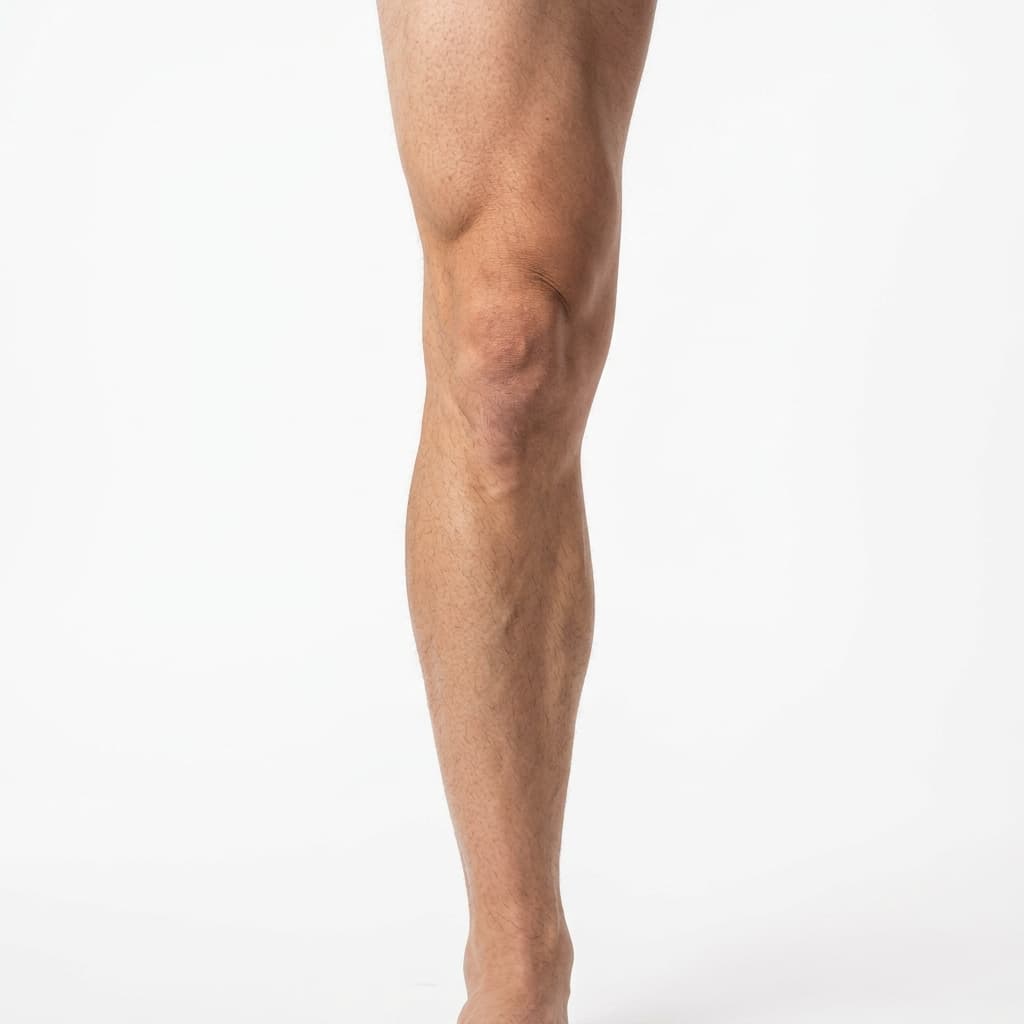
Tap or click a numbered hotspot
Select a numbered hotspot on the Front (Anterior) photograph or use the Prev/Next buttons below to browse.
View all regions as text (accessible fallback)
Front (Anterior) View
Around the Kneecap (Anterior)
Pain around or behind the kneecap (patella). Often worsened by stairs, squatting, or prolonged sitting.
Outer Joint Line (Lateral)
Pain along the outer joint line. Often related to sports injuries, pivoting movements, or lateral compartment problems.
Inner Joint Line (Medial)
Pain along the inner side of the knee joint line. The medial compartment bears the majority of weight-bearing load.
Back (Posterior) View
Behind the Knee (Posterior)
Pain, swelling, or fullness in the hollow behind the knee (popliteal fossa). Often secondary to an internal joint problem.
Inner (Medial) View
Medial (Inner) Compartment
Pain along the inner side of the knee. The medial compartment is the most commonly affected by arthritis and meniscal tears.
Outer (Lateral) View
Lateral (Outer) Compartment
Pain along the outer knee compartment. Lateral problems are less common but frequently sports-related.
Symptom-to-Recovery Pathway
Standard Patient Journey Pathway
How the symptom may present
Patients describe this symptom in various ways depending on its trigger and severity:
Possible causes
The possible causes listed below are not exhaustive. One symptom can have several underlying causes, and a clinical assessment is typically required to confirm a diagnosis.
ACL Injury
A sprain or rupture of the Anterior Cruciate Ligament, a primary stabilizer inside the knee joint, common in pivoting sports.
Knee Instability
A sensation of the knee giving way or slipping out of place, typically indicating ligament weakness, joint laxity, or a patellar subluxation.
Patellofemoral Pain
Pain located at the front of the knee around or behind the kneecap, often aggravated by climbing stairs or prolonged sitting.
Meniscal Tear
A tear in the shock-absorbing C-shaped cartilage discs of the knee, often caused by twisting forces or age-related changes.
When to seek urgent advice
Certain symptoms (red flags) indicate the need for prompt clinical evaluation. Seek immediate assessment if you experience:
- Giving way is accompanied by joint swelling or severe pain
- The knee buckles during simple, straight-line walking
- You have had repeated falls or loss of balance due to the knee
- Instability started immediately after a popping sound during sports
How the symptom is assessed
Your consultant will carry out a thorough assessment to understand the triggers, location, and functional impact of the symptom.
- Detailed history of giving-way frequency and the movements that trigger it
- Physical examination testing all major knee ligaments for laxity
- Assessment of quadriceps, hamstring, and hip abductor strength
- Evaluation of balance, coordination, and proprioception
Investigations that may be considered
Depending on the findings of your clinical assessment, your consultant may recommend imaging scans:
MRI scan
assess the integrity of the ACL, MCL, and other stabilizers
Standard X-rays
check joint alignment and evaluate for bone injury
What may help initially
For non-urgent presentations, simple self-care and load management can help settle symptoms:
- Wearing a supportive knee sleeve or functional brace to improve confidence
- Focusing on straight-leg raises to keep the quadriceps active without loading the joint
- Avoiding twisting, pivoting, or high-impact tasks until assessed
When to arrange a professional consultation
You should arrange a specialist consultation if you experience any of the following:
- The knee buckles during daily activities like walking or stairs
- You experience a loss of confidence in the knee's stability
- Giving way is associated with recurrent swelling or catching
Frequently Asked Questions
Would you like an individual knee assessment?
A consultation can help clarify the possible cause of your symptoms and discuss appropriate next steps.
Face-to-face appointments are arranged through the reception team at the chosen clinic. Video consultations use Google Calendar where available.
Next Step: Explore Possible Conditions
Similar symptoms can occur with several different knee conditions. Learn about common diagnoses, how they are assessed, and how force transmission affects joint health.
Get notified about new content on Knee Giving Way
We'll only email you about updates on this specific topic — unsubscribe anytime.
Medical Disclaimer
This website provides educational and general information about knee symptoms, conditions, and treatments. The content is for informational purposes only and does not constitute medical advice, diagnosis, or a treatment plan. It should not be used as a substitute for a professional consultation, examination, or clinical decision-making by a qualified orthopaedic specialist.
If you are experiencing symptoms or are concerned about a knee problem, please arrange a clinical consultation. If you have urgent symptoms, severe pain, or are unable to put weight on your leg, please read our urgent advice guidance or contact emergency services immediately (dial 999 or NHS 111).