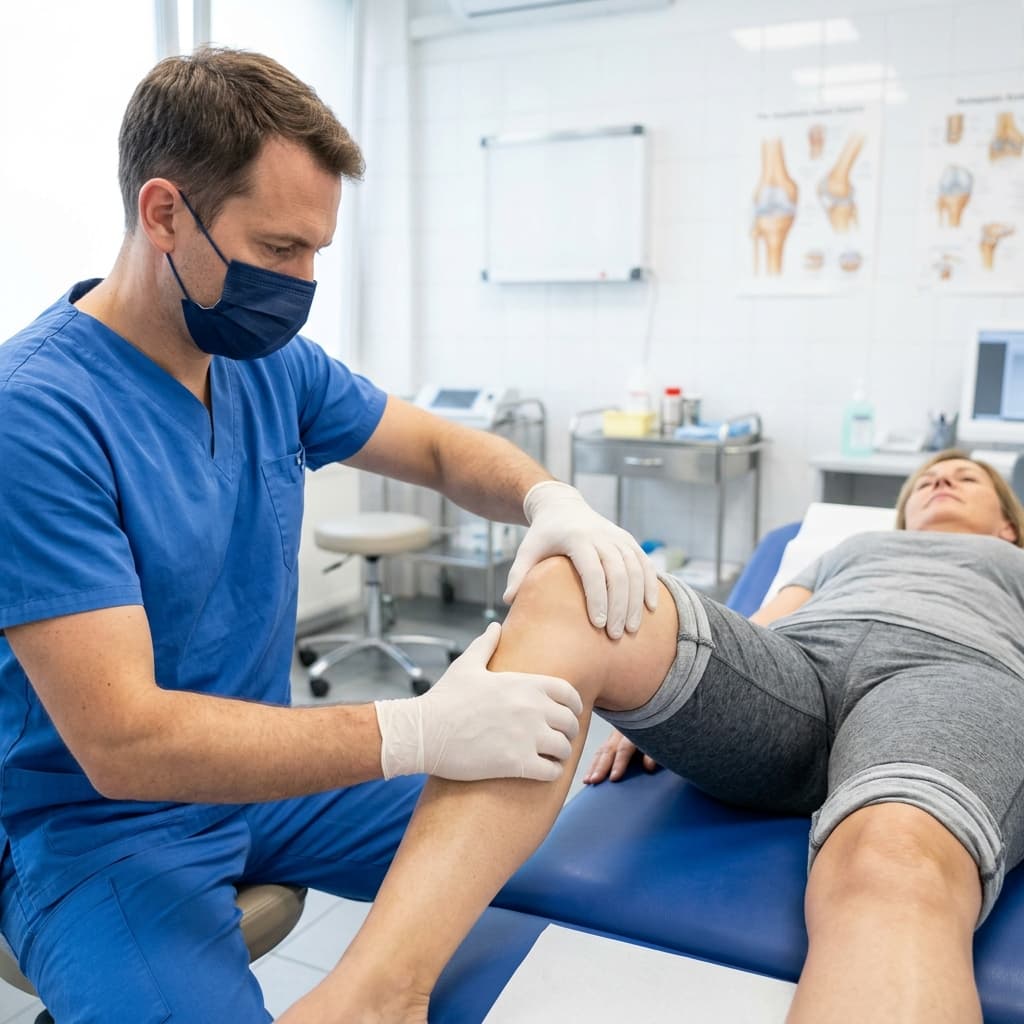
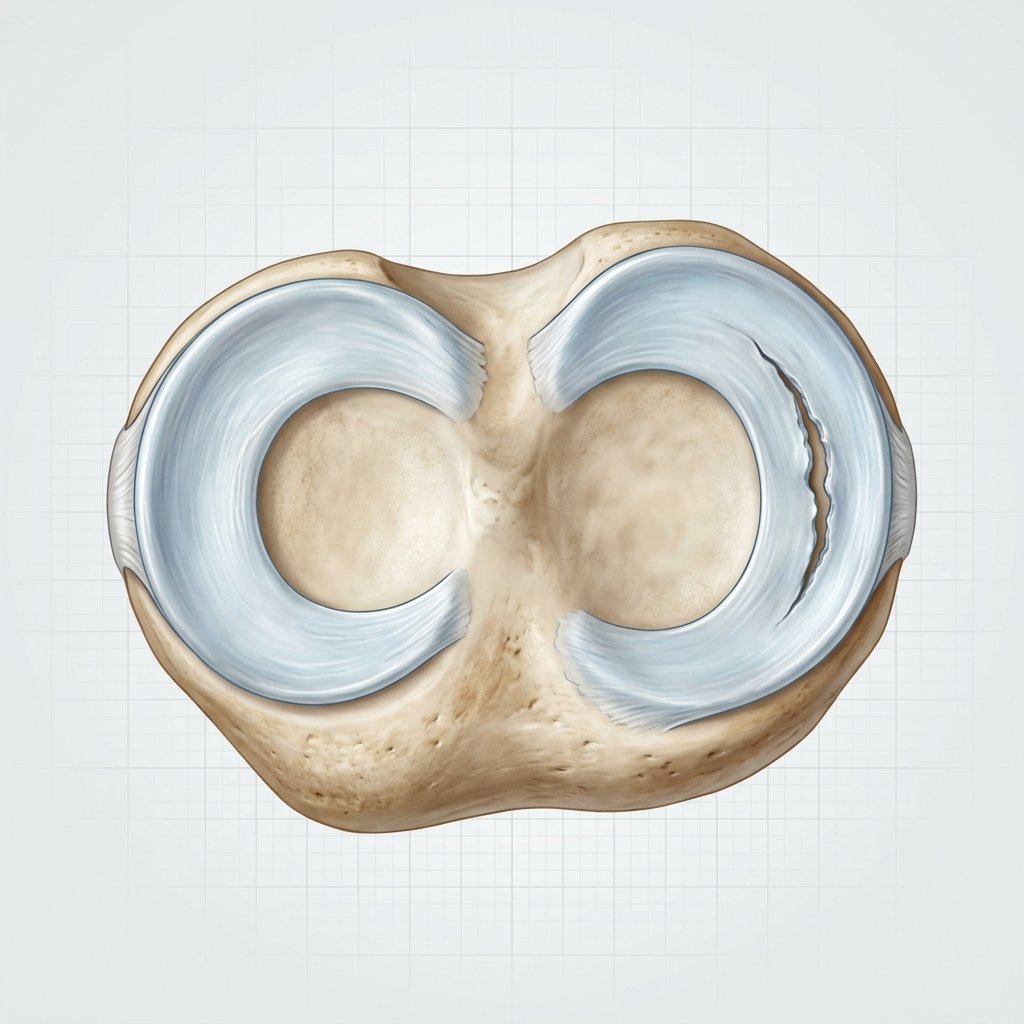
Key Takeaways
- Movement is gentle medicine: light daily activity lubricates your joint and eases stiffness.
- Strengthening the thigh and hip muscles acts like a natural shock absorber for your knee.
- Non-surgical treatments—like bracing, therapy, and soothing injections—can relieve pain effectively.
- Every care plan is personalized to match your daily routine, walking goals, and lifestyle.
- Regular reviews with your knee specialist ensure your knee stays strong and active for life.
Understanding Your Knee Health: Meniscus Knee Tears: Repairing vs. Trimming
Understanding meniscus knee tears: repairing vs. trimming is all about knowing how your knee works in everyday life. Your knee joint carries your body weight every time you walk, stand up, or climb stairs. When the smooth cushioning tissue inside the joint wears down or suffers an injury, simple daily movements can start to feel stiff or uncomfortable. Fortunately, there are many proven ways to restore comfort and mobility.
Keeping your knee moving gently is one of the best ways to protect your joint. When you move your leg, your body naturally pumps a smooth protective fluid through the knee. Think of this fluid like motor oil in a car engine—it coats the cushioning cartilage at the ends of your thighbone and shinbone so they can glide past each other without grinding or aching. Gentle daily walking, exercise, and stretching help keep this natural fluid flowing, reducing morning stiffness and keeping your joint feeling comfortable.
The muscles around your thigh and hip work together like a natural shock absorber for your knee. When your thigh muscles (quadriceps) and hip muscles are strong, they absorb the impact every time your foot touches the ground. This takes heavy pressure off the joint surfaces itself. By building up your leg strength through simple, pain-free exercises, you can make walking, standing up from a chair, and climbing stairs much easier and more comfortable.
Understanding your treatment options helps you feel confident and in control of your health. Every person's knee is unique, which is why treatment should always be tailored to your daily life, hobbies, and personal goals. Whether you are using simple low-impact exercises, wearing a supportive brace, receiving soothing joint injections, or considering modern joint replacement surgery, our team is here to guide you step-by-step toward pain-free movement.
"Keeping your leg muscles strong and maintaining gentle daily movement is the most effective natural way to protect your knee."
How Muscle Support & Protection Work
Your leg muscles act like a protective shield around your knee joint. When your thigh muscles (quadriceps) and hip muscles are strong, they absorb the impact of walking before it reaches your joint surfaces. Building leg strength through gentle exercises protects your knee from unnecessary pressure.
The muscles around your thigh and hip work together like a natural shock absorber for your knee. When your thigh muscles (quadriceps) and hip muscles are strong, they absorb the impact every time your foot touches the ground. This takes heavy pressure off the joint surfaces itself. By building up your leg strength through simple, pain-free exercises, you can make walking, standing up from a chair, and climbing stairs much easier and more comfortable.
Understanding your treatment options helps you feel confident and in control of your health. Every person's knee is unique, which is why treatment should always be tailored to your daily life, hobbies, and personal goals. Whether you are using simple low-impact exercises, wearing a supportive brace, receiving soothing joint injections, or considering modern joint replacement surgery, our team is here to guide you step-by-step toward pain-free movement.
Managing knee discomfort after surgery or during an arthritis flare-up is all about balance. Using gentle cold packs after activity helps soothe swelling, while warm heat can relax stiff muscles before you stretch. Listening to your body, pacing your daily activities, and taking short rest breaks when needed ensures your knee stays comfortable as your strength builds up over time.
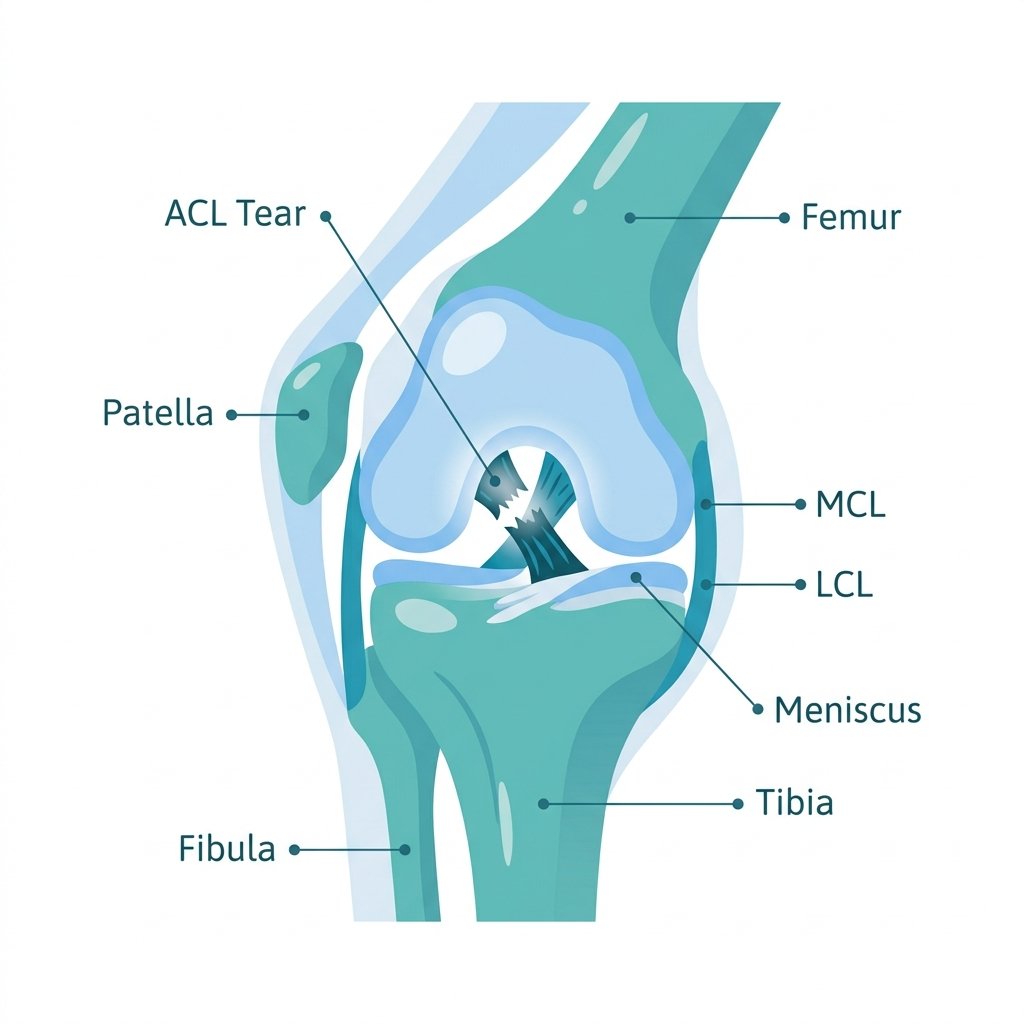
Clear & Simple Treatment Pathways
Modern knee care focuses on finding the right treatment path for your individual lifestyle. Whether you benefit from gentle exercises, a supportive knee brace, soothing joint injections, or modern joint replacement surgery, our goal is to help you return to pain-free walking and active living.
Understanding your treatment options helps you feel confident and in control of your health. Every person's knee is unique, which is why treatment should always be tailored to your daily life, hobbies, and personal goals. Whether you are using simple low-impact exercises, wearing a supportive brace, receiving soothing joint injections, or considering modern joint replacement surgery, our team is here to guide you step-by-step toward pain-free movement.
Managing knee discomfort after surgery or during an arthritis flare-up is all about balance. Using gentle cold packs after activity helps soothe swelling, while warm heat can relax stiff muscles before you stretch. Listening to your body, pacing your daily activities, and taking short rest breaks when needed ensures your knee stays comfortable as your strength builds up over time.
Regular check-ups with your knee specialist help track how well your joint is improving. Instead of just looking at X-rays, your doctor will listen to how your knee feels in daily life—such as how far you can walk comfortably, how well you sleep, and what activities you enjoy. Working together with your specialist ensures your care plan adapts smoothly as your joint heals.