
Key Takeaways
- Write down your symptoms before the appointment — when they started, where the pain is, and what makes it better or worse.
- Bring a list of all treatments you have already tried, including physiotherapy, injections, and any previous surgery.
- Have your current medications and supplements to hand — names, doses, and how long you have been taking them.
- Jot down any questions you want to ask before you arrive, so you do not forget in the moment.
- Bring any relevant scans or X-ray discs — even older ones can provide valuable background information.
Getting the Most from Your Consultation
A clinic appointment is your opportunity to have a proper conversation about your knee with a specialist who can listen carefully, examine you thoroughly, and help you understand your options. The more information you can share, the more useful that conversation will be.
Mr Pacheco sees many patients each week, and the appointments that tend to be most productive are the ones where the patient arrives having given their situation a little thought beforehand. You do not need a medical degree — you just need to know your own story. This guide walks you through the things worth thinking about before you come in.
Think About Your Symptoms
Start by thinking carefully about your knee and what it has been doing. Try to be as specific as you can:
Where exactly is the pain? Is it on the inside of the knee, the outside, behind the kneecap, or all over? Does it travel down the leg?
When did it start? Was there a specific injury or did it come on gradually over months or years?
What makes it worse? Stairs, getting up from a chair, walking on uneven ground, first thing in the morning, or after sitting for a long time are all worth mentioning.
What makes it better? Rest, ice, heat, or certain pain relief?
How is it affecting your daily life? Think about how far you can walk before the pain stops you, whether it disturbs your sleep, and any activities you have had to give up.
You do not need to have perfect answers — even rough descriptions like "it aches after walking about ten minutes" or "it swells up by the evening" are extremely helpful.
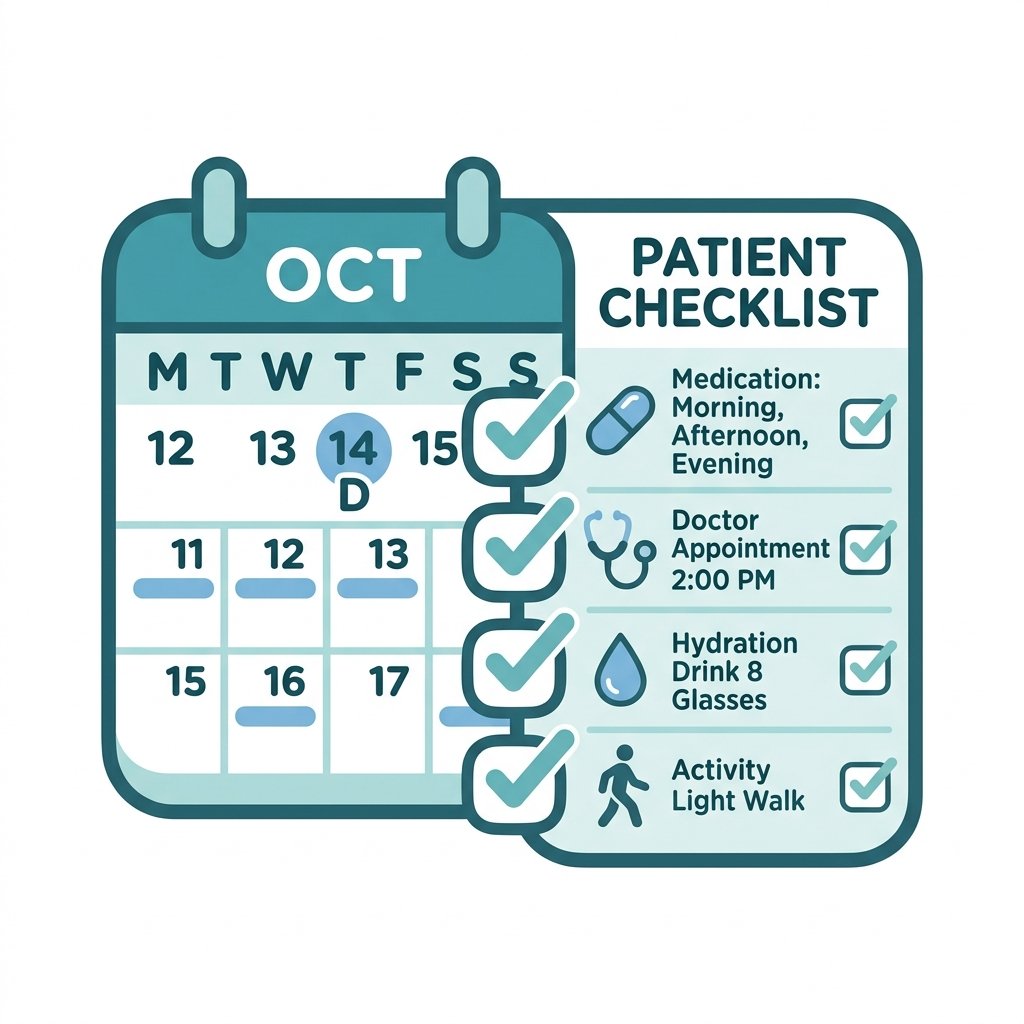
"The more clearly you can describe your symptoms — where, when, and how they affect your daily life — the better equipped your specialist will be to help you."
Treatments You Have Already Tried
It is important to share what you have already done to manage your knee problem, even if it did not help. This avoids going over ground already covered and helps Mr Pacheco understand what stage you are at.
Think about:
- •Physiotherapy — Did you have a course of physio? For how long? Did it help at all, or did it make things worse?
- •Injections — Have you had any steroid injections, hyaluronic acid (gel) injections, or PRP? How many, and did they give you any relief?
- •Bracing or supports — Have you tried a knee brace? Did wearing it change anything?
- •Previous surgery — Any procedures on the same knee, including arthroscopy (keyhole surgery) or any other operation, however long ago.
- •Over-the-counter pain relief — Paracetamol, ibuprofen, anti-inflammatory gels — what have you tried and how well do they work?
If you have any letters from your GP, a previous hospital, or a physiotherapist, bring them along.
Your Current Medications
Please bring a list of all the medications you currently take, including prescription tablets and any supplements or vitamins. Include the name of each medication and the dose if you know it.
This matters for several reasons. Some medications — including blood thinners, certain anti-inflammatory drugs, and some supplements like fish oil — can affect what treatments are suitable for you and may need to be paused before any procedure. Mr Pacheco will always talk you through this clearly, but having your medication list to hand makes the conversation much smoother.
If you are unsure about your medications, your pharmacist can often print a summary for you, or you can ask your GP surgery for a medication list.
Bring Your Scans and X-Rays
If you have had any imaging done — X-rays, an MRI, or a CT scan — please try to bring the discs or images with you, even if they were done some time ago. Older scans can provide useful context about how your knee has changed over time.
If your scans were done at a hospital, you can usually request a copy of the disc from the imaging department. NHS hospitals are required to provide this. If you only have a report but not the actual images, bring the report — it is still helpful.
Do not worry if you cannot get hold of scans in time. Mr Pacheco can arrange imaging as part of your assessment if needed.
Questions to Ask — Write Them Down
It is very common to have a list of questions in your head before an appointment and then forget them all the moment you sit down. Write them down beforehand and bring the list with you.
Here are some questions other patients have found useful:
- •What do you think is causing my knee pain?
- •What are my treatment options, and what would you recommend?
- •What happens if I do nothing right now?
- •Is surgery likely at some point, and what would that involve?
- •How long is the recovery, and what could I realistically expect?
- •Are there things I should be doing — or stopping doing — in the meantime?
- •What should I watch out for that would mean I need to come back sooner?
You are welcome to take notes during the consultation, and it can be helpful to bring someone with you — a partner, family member, or friend — who can listen and help you remember what was said.
"You are never wasting anyone's time by asking questions. A good consultation is a two-way conversation, and your questions help us understand what matters most to you."
A Few Practical Things
Wear or bring loose, comfortable clothing that allows easy access to your knee — shorts are ideal if you have them. You will likely need to stand and walk a short distance so Mr Pacheco can observe how your knee moves.
Arrive a few minutes early if you can, to allow time for any paperwork. If you have a particular concern you want to make sure is addressed, mention it at the start of the appointment rather than at the end.
Finally, be honest about how your knee is affecting you. There is no need to minimise symptoms or feel that you are making a fuss — the more clearly you describe what you are experiencing, the more useful the appointment will be.